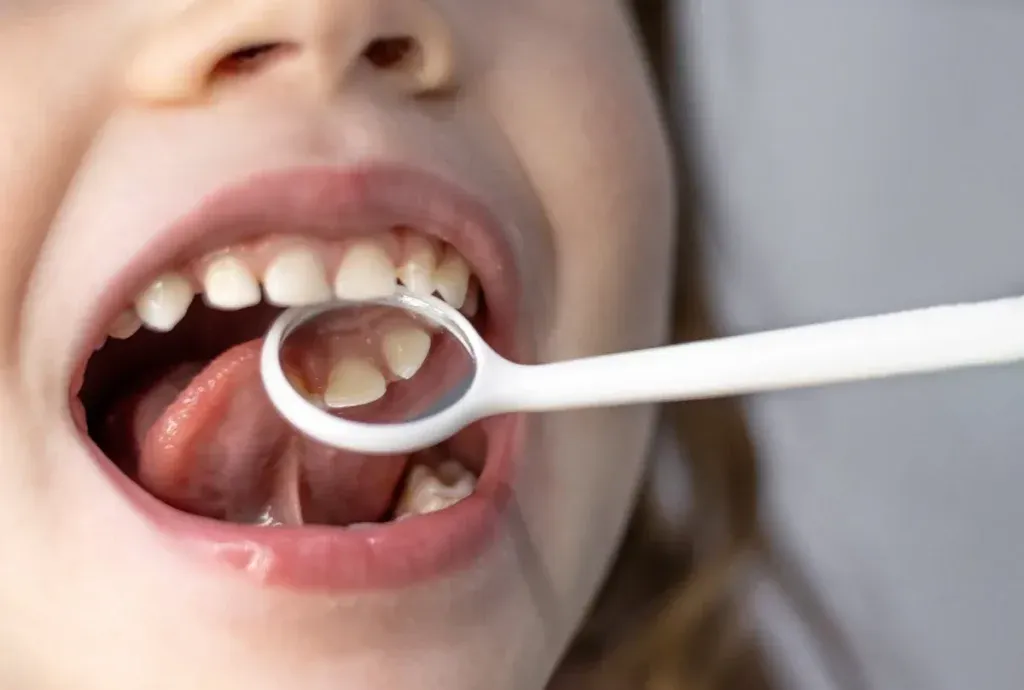
Many parents wonder how long is too long when it comes to pacifier use, especially once a toddler starts talking, walking, and showing off a mouth full of new teeth. Pacifiers can soothe a fussy baby and help little ones settle down for naps, but leaving the habit in place too long can shape how a child’s teeth and jaw grow. Knowing the right time to start weaning can save parents a headache later and protect a child’s smile before problems even start.
At Kool Koala Pediatric & Adolescent Dentistry, we spend our days helping families in Collingswood, Deptford, Bear, and Vineland work through exactly these kinds of questions. Our infant and toddler dentistry team sees pacifier habits every day, and we know parents want clear, honest guidance instead of guesswork.
What Age Should Pacifier Use End?
Most children can safely use a pacifier through their first year without any impact on their teeth. According to the American Academy of Pediatric Dentistry, nonnutritive sucking habits like pacifier use should be phased out by the time a child turns three, though earlier is often easier on everyone involved. The AAPD notes that duration of use matters more than how often a child sucks on a pacifier, so a toddler who naps with one for a short stretch each day is generally in better shape than one who keeps it in for hours at a time. You can read the full AAPD policy on pacifiers for more detail on the research behind this guidance.
Somewhere between two and four years old is when most dentists start to see the effects of prolonged use, including an open bite, a narrow palate, or teeth that do not line up the way they should. Waiting until permanent teeth start to come in raises the stakes considerably, as those changes become much harder to correct later.
Signs It Is Time to Start Weaning
A few clues can help parents know it is time to start the weaning process, even if a child seems attached to the habit. Watch for these signs that pacifier use may be affecting your child’s mouth or daily routine:
- A front tooth gap that does not close when the pacifier is removed
- Speech sounds that seem muffled or delayed for their age
- A pacifier used constantly throughout the day rather than just at naps or bedtime
- Reluctance to try new foods or textures because the mouth stays busy with sucking
If any of these sound familiar, a visit with our team can help confirm whether the habit is affecting your child’s development. Our pediatric dental FAQs page answers many of the questions we hear most often from parents facing this exact decision.
How to Help Your Child Let Go
Weaning off a pacifier works best when it happens gradually rather than all at once. Limiting use to naps and bedtime is a great first step, as it shrinks the number of hours a child spends sucking without taking away the comfort entirely.
Positive reinforcement tends to work far better than scolding or taking the pacifier away without warning. Praise, a sticker chart, or a small reward for each pacifier free day can make the transition feel like an accomplishment instead of a punishment. For children who struggle to let go, our habit breaking appliances can offer extra support once other methods have been tried.
Fluoride also plays a role in protecting teeth during this transition, especially if a pacifier habit has already led to some early wear on the enamel. Our fluoride treatments help strengthen developing teeth while your child works on breaking the habit.
Kool Koala Pediatric & Adolescent Dentistry Is Here to Help
Every child moves at a different pace, and letting go of a pacifier is one more milestone our team can help your family reach with confidence. Our dentists welcome children from the earliest stages of tooth development through the teenage years, and we build each visit around comfort, patience, and a kid friendly atmosphere. From routine checkups to more involved conversations about habits like pacifier use, we take the time to answer questions and offer guidance parents can actually use at home. We also make it simple to schedule an appointment that fits around school and work schedules.
If you have questions about when your child should stop using a pacifier or want an evaluation of your child’s dental development, we would love to see your family at one of our New Jersey or Delaware locations. Reach out through our contact form to schedule a visit and get personalized guidance for your child.