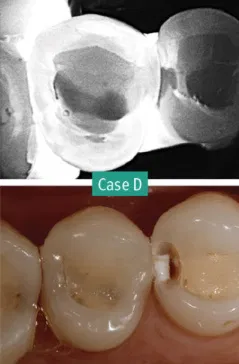
Even when your child brushes regularly, cavities can develop in hard-to-see areas, especially between teeth. Dental transillumination uses a focused light to help dentists spot areas of possible decay that might not be visible during a routine exam. Healthy enamel allows light to pass through, while areas affected by decay may appear darker, making potential concerns easier to identify.
At Kool Koala Pediatric and Adolescent Dentistry, we may use dental transillumination as part of the pediatric dental care we provide. This gentle, noninvasive technique gives our dentists another way to examine your child’s teeth and identify areas that may need a closer look or additional care.
During transillumination, a focused beam of light is directed through a tooth while the dentist observes how it travels. Healthy tooth structure usually glows evenly. An area of decay changes how light travels, so it may appear as a shadow or dark patch. Because the light shines through the tooth rather than just across the surface, it may reveal spots the eye can miss during a regular look. Comparing how a tooth looks from one checkup to the next may also help our dentists notice small changes over time.
Think of holding your hand over a flashlight in a dim room. Your fingers glow, and the denser parts show up as darker shapes. Teeth react similarly, which is why a simple light can reveal so much. Our digital cavity detection options give our dentists more than one way to check your child’s teeth.
Cavities don’t always cause pain in their early stages, so your child may have tooth decay without any symptoms. Regular dental visits give our dentists an opportunity to spot small changes before they develop into more serious problems. Finding decay early is especially important for children as their teeth and smiles continue to develop.
When decay is caught early, treatment may be simpler and less invasive. Depending on the condition of the tooth, our dentists may recommend monitoring the area, applying fluoride, or using protective dental sealants to help prevent future cavities. We’ll explain what we find and discuss the available options, so you understand what your child needs and why.
Dental transillumination is a quick, gentle procedure that can be included as part of your child’s routine dental exam and cleaning. Here’s what you and your child can expect:
Our team takes time to explain each step in a way your child can understand, helping them feel more comfortable throughout their visit.
Dental visits can feel overwhelming for some children, especially when they’re unsure what to expect. Dental transillumination offers a gentle way to examine teeth without needles, drilling, or discomfort. The process is quick and simple, which may help children who feel nervous about having their teeth checked.
At Kool Koala Pediatric and Adolescent Dentistry, we work to create a welcoming environment where children feel safe and supported. Our team takes time to explain what we’re doing, answer questions, and help each child feel more comfortable during their visit.
Early tooth decay doesn’t always cause noticeable symptoms, which is one reason regular dental checkups are important. However, if you notice white or brown spots on your child’s teeth, food frequently getting stuck between teeth, or sensitivity to sweets or cold drinks, it’s worth bringing up with their dentist. These changes don’t always mean there’s a cavity, but they may call for a closer examination. Our dentists can determine whether dental transillumination or another method would help identify the cause of the concern.
Dental transillumination can help dentists spot potential cavities, but it can’t detect every type of decay or replace X-rays entirely. A 2020 review of transillumination studies found that the technology had moderate accuracy in detecting decay that had reached the dentin, the layer beneath the enamel. Researchers also found insufficient evidence to support using it as a complete replacement for dental X-rays.
This is why our dentists use transillumination alongside other diagnostic methods rather than relying on it alone. Depending on your child’s needs, we may also recommend a clinical exam and pediatric dental X-rays to get a clearer picture of their oral health and determine if treatment is necessary.
Understanding what’s happening beneath the surface of your child’s teeth can help you feel more confident about their dental care. Dental transillumination gives our dentists another way to look for potential concerns, alongside routine exams and X-rays when needed. At Kool Koala Pediatric and Adolescent Dentistry, Dr. Ballard and our team provide care for children at our Collingswood, Deptford, Bear, and Vineland offices. We also offer sedation options and hospital dentistry for children who need additional support.
We know fitting dental appointments into a busy family schedule isn’t always easy. That’s why we offer early-morning appointments, work to keep visits on time, and accept most major insurance plans and credit cards. If you have questions about dental transillumination or your child’s oral health, contact our office to schedule a visit.