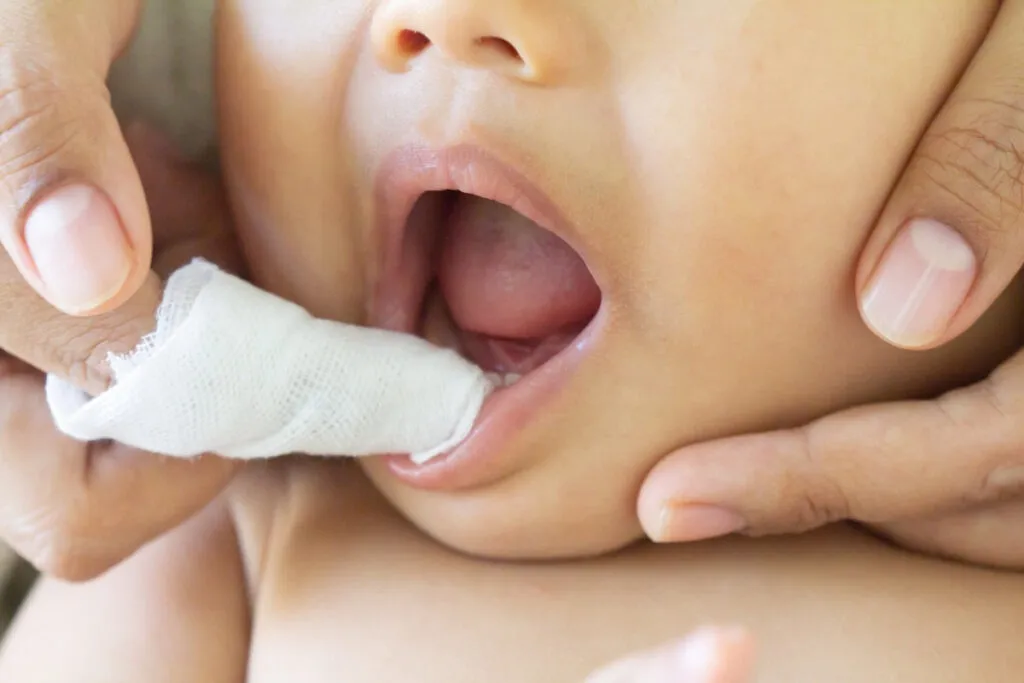
Hearing your toddler grind their teeth through the baby monitor can be startling. The good news is that toddler teeth grinding, known as bruxism, is common and typically temporary, and most children stop on their own as their teeth and jaw develop. Knowing the difference between ordinary grinding and grinding that needs attention helps you respond with confidence instead of worry.
At Kool Koala Pediatric & Adolescent Dentistry, we see toddler teeth grinding often across our New Jersey and Delaware offices, and we help families sort out which cases call for a closer look. Our pediatric dentistry team monitors wear patterns, jaw development, and sleep-related causes during routine visits, so parents rarely need to guess on their own.
Why Do Toddlers Grind Their Teeth
Teething discomfort is one of the most common triggers, since grinding can relieve pressure as new teeth push through the gums, and it typically stops once teeth fully emerge. A bite that does not quite line up, or a recent dental crown your child is still adjusting to, can also lead to grinding. Sleep-related breathing issues and disrupted sleep raise the likelihood of nighttime grinding, and less often, stress from a new routine plays a role. Studies show a wide range in how many children grind their teeth, which is why a dental visit is the most reliable way to know where your toddler stands.
Signs Your Toddler Is Grinding Their Teeth
Most parents notice a scraping or crunching sound at night before anything else. During the day, a toddler might clench their jaw while concentrating or feeling frustrated. Worn or flattened tooth surfaces, jaw soreness your child cannot quite explain, and new sensitivity to cold or warm foods are physical clues worth watching for at home and mentioning at your child’s next visit.
When Toddler Teeth Grinding Needs a Closer Look
Most toddler grinding resolves on its own, but a few warning signs are worth a dental visit sooner rather than later.
- Visible tooth wear: flattened, chipped, or cracked surfaces
- Jaw pain: soreness that does not improve with rest
- Loud or frequent grinding: sounds that wake your child or others in the house
- Breathing concerns: snoring or pauses in breathing during sleep
- Ongoing headaches: recurring head or facial pain with no other clear cause
Catching these signs early lets our team step in before wear reaches the deeper layers of the tooth.
How to Help Reduce Grinding at Home
A calm, consistent bedtime routine, with quiet activities and a fixed sleep time, can lower stress-related grinding. Cutting screen time and rough play in the hour before bed helps toddlers settle into deeper sleep, and a safe teething toy can ease pressure if new teeth are the trigger. Keeping up with regular dental checkups lets your child’s dentist track wear over time rather than guessing at home.
Treatment Options for Toddler Teeth Grinding
If grinding continues or causes real wear, a custom-fitted night guard sized for a small mouth can protect teeth while other factors are addressed. When breathing problems play a role, an airway evaluation can identify whether enlarged tonsils, adenoids, or another cause needs attention. Bite-related grinding sometimes calls for early orthodontic monitoring, though most toddlers do not need treatment until more permanent teeth arrive.
Toddler Teeth Grinding Frequently Asked Questions
Is it normal for a toddler to grind their teeth at night
Yes, grinding is common in young children and usually happens during sleep as teeth and jaws develop. Most toddlers outgrow it without any lasting effect on their smile.
What age does toddler teeth grinding usually stop
Grinding often eases as more baby teeth come in and tends to fade further once permanent teeth begin arriving, though timing varies by child.
Can teething cause a toddler to grind their teeth
Yes, grinding can relieve pressure and soreness while new teeth push through the gums, and it typically stops once that tooth has fully emerged.
Does toddler teeth grinding damage baby teeth
Most cases cause no lasting damage, though grinding that wears through enamel to the softer layer underneath can increase the risk of sensitivity and decay.
When should I bring my toddler in for teeth grinding
Schedule a visit if grinding is loud or frequent, your child complains of jaw pain, you notice visible tooth wear, or grinding seems linked to snoring or breathing pauses during sleep.
Kool Koala Pediatric & Adolescent Dentistry Can Help With Toddler Teeth Grinding
Kool Koala Pediatric & Adolescent Dentistry combines a relaxed, kid-friendly environment with pediatric dentists who track wear patterns, jaw development, and sleep habits at every visit. Families across our Collingswood, Deptford, Vineland, and Bear offices count on our team to explain what we see in plain language.
If your toddler’s grinding sounds loud, happens every night, or comes with jaw soreness or breathing concerns, an evaluation may be able to catch changes early. You can request an appointment with our team to have your child’s teeth and jaw checked.