
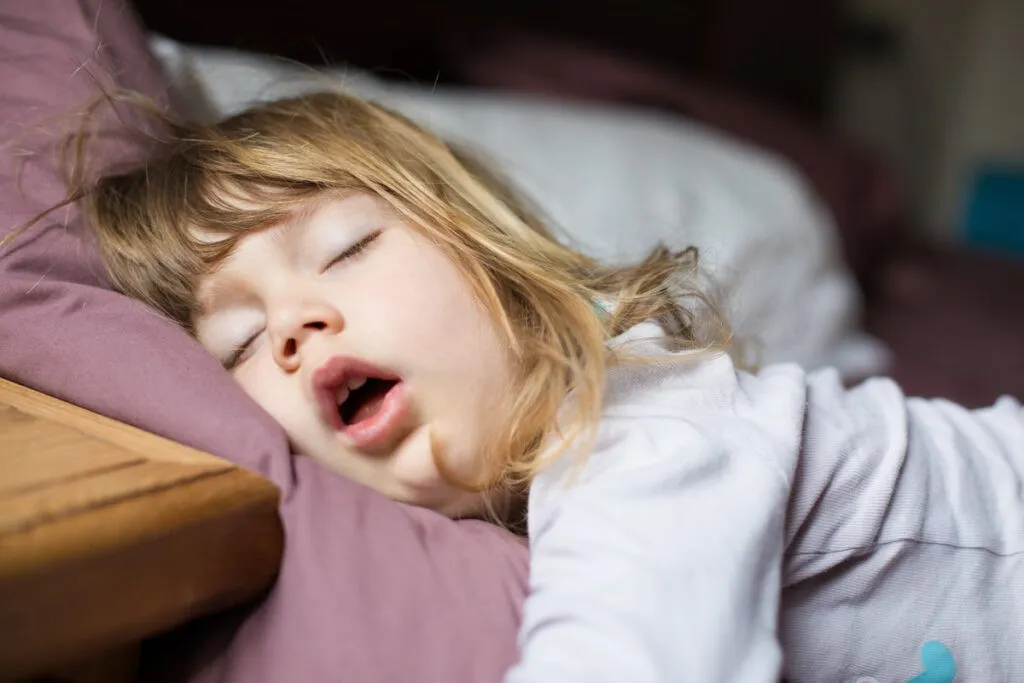
When you watch your child sleep, do you notice them breathing through their mouth, snoring, or tossing and turning throughout the night? These seemingly minor issues could indicate significant airway problems that affect not only their sleep quality but also their overall health and development. Sleep-disordered breathing in children is more common than many parents realize, and addressing these concerns early can prevent long-term complications.
At Kool Koala Pediatric and Adolescent Dentistry, our team of pediatric dental specialists understands the critical connection between oral health and proper airway function. Dr. Ballard, Dr. Martinelli, Dr. Movaghar, Dr. Abdelrahim, Dr. Miller, and Dr. DeSonne are trained to recognize the early signs of airway issues and provide comprehensive treatment solutions that promote healthy breathing patterns for your child’s optimal growth and development.
Your child’s airway development directly impacts their facial growth, dental alignment, and overall health. When children consistently breathe through their mouths instead of their noses, it can lead to changes in facial structure and create a cascade of developmental issues. Proper nasal breathing helps filter, warm, and humidify the air entering the lungs while promoting optimal tongue posture and facial development.
According to a comprehensive review on sleep-disordered breathing in children, sleep-disordered breathing affects approximately 1-5% of children. The consequences of poor airway function extend beyond sleep disturbances. Children with airway issues may experience difficulty concentrating in school, behavioral problems, and even symptoms that mimic ADHD.
Recognizing the early indicators of airway dysfunction can help parents seek treatment before more serious complications develop. Many symptoms may seem unrelated to breathing issues, making professional evaluation essential for proper diagnosis.
Parents should watch for specific nighttime behaviors that indicate breathing difficulties:
These sleep disturbances occur when the airway becomes partially blocked during rest, forcing the body to work harder to maintain proper oxygen levels. If you notice these patterns consistently over several weeks, it’s important to document when they occur and discuss them with your pediatric dentist.
Airway problems often manifest through behavioral and physical symptoms during waking hours:
Many parents are surprised to learn that these daytime symptoms can be directly related to nighttime breathing problems. Poor sleep quality from airway obstruction prevents children from entering the deep, restorative sleep phases necessary for proper brain development and emotional regulation.
Pediatric dentists play a crucial role in identifying and treating airway problems because many issues originate from oral and facial developmental patterns. Our comprehensive airway evaluation includes examining your child’s jaw development, tongue posture, tonsil size, and overall facial structure to identify potential breathing obstructions.
Treatment success depends mainly on early identification and intervention during critical growth periods:
These early intervention strategies are most effective when implemented during active growth phases, typically between the ages of 6 and 12, when facial bones are still developing.
For more complex cases, our team works closely with sleep specialists and other healthcare providers to develop comprehensive treatment plans. These may include custom oral appliances that help maintain open airways during sleep, as well as referrals for surgical interventions when necessary.
The ideal time for airway evaluation is during your child’s routine dental visits, typically beginning around age 2 or 3, when most primary teeth have erupted. However, parents should seek evaluation immediately if they notice any concerning symptoms, regardless of their child’s age.
Early assessment enables intervention during optimal growth periods, when treatment is most effective. The American Association of Orthodontists recommends that children have their first orthodontic evaluation by age 7. This provides an excellent opportunity to assess airway development alongside dental and skeletal growth patterns.
Most children do not outgrow airway and breathing problems without intervention, and waiting often allows the issue to shape facial and dental development in ways that are harder to reverse later. When the tongue rests low in the mouth and breathing happens through the mouth instead of the nose, the upper jaw and palate do not receive the gentle outward pressure they need to widen properly, which can lead to a narrower airway over time. At Kool Koala Pediatric and Adolescent Dentistry, our team evaluates these patterns early so we can guide growth during the years your child's jaw is still developing rather than waiting for symptoms to worsen. If you have noticed snoring, mouth breathing, or restless sleep, contact any of our offices to schedule an airway assessment.
Myofunctional therapy is a set of guided exercises that retrain the muscles of the tongue, lips, and face so your child can breathe through the nose, swallow correctly, and rest the tongue against the roof of the mouth. Proper tongue posture matters because the tongue acts like a natural retainer that supports palate width and forward jaw growth, both of which protect the airway. Our team at Kool Koala incorporates myofunctional guidance into airway treatment plans when appropriate and coordinates with trained myofunctional therapists when more focused work is needed. Many children see steady improvement in breathing patterns, sleep quality, and oral resting posture over the course of treatment.
A pediatric airway evaluation focuses on how your child's jaw, palate, tongue posture, and tonsil and adenoid size influence breathing during growth, rather than treating an already established adult condition. Adult sleep apnea testing typically measures oxygen levels and breathing pauses overnight to determine severity, while a child's evaluation at Kool Koala starts with looking at the structural and developmental signals that lead to those problems before they become chronic. If the dental exam suggests significant obstruction, we may recommend a referral to an ENT or pediatric sleep physician for a formal sleep study. The goal is to catch and address airway concerns during your child's growth window so adult treatment is far less likely to be needed.
A formal sleep study is not always required to begin airway-focused dental care, and many children benefit from early intervention based on a clinical airway exam alone. During your child's visit to Kool Koala, our team looks at tonsil size, palate shape, dental crowding, and resting tongue and lip posture to determine whether structural changes are contributing to disrupted breathing. When the signs point toward moderate or severe obstruction, we coordinate with an ENT or pediatric sleep physician who can order a sleep study to confirm and grade the condition. Schedule an evaluation at any of our offices and we will walk you through which next steps make sense for your child.
Long-term mouth breathing changes the way a child's face grows by altering tongue posture and the muscular forces that shape the jaws. Children who consistently breathe through the mouth tend to develop longer, narrower faces, a lower jaw that sits further back, and a smaller upper palate, all of which can crowd the airway and the teeth. Research from major sleep medicine centers shows these growth patterns can carry into adulthood and contribute to lifelong breathing problems if left unaddressed. Our team at Kool Koala helps families recognize these patterns early and uses guided growth strategies to support healthier facial, dental, and airway development.
Airway-focused pediatric dentistry represents a proactive approach to your child’s overall health and development, addressing breathing issues before they impact sleep quality, academic performance, and long-term facial growth and development. By recognizing the connection between oral health and airway function, parents can help ensure their children develop proper breathing patterns that support their well-being throughout their lives.
If you’ve noticed any signs of sleep-disordered breathing or airway dysfunction in your child, don’t wait to seek professional evaluation. Our experienced team at Kool Koala Pediatric and Adolescent Dentistry is ready to provide airway assessments and develop personalized treatment plans that address your child’s unique needs. Schedule a consultation at any of our dental practices or request an appointment to give your child the foundation for healthy breathing and optimal development.
"*" indicates required fields
By submitting this form, you agree to our Privacy Policy.
