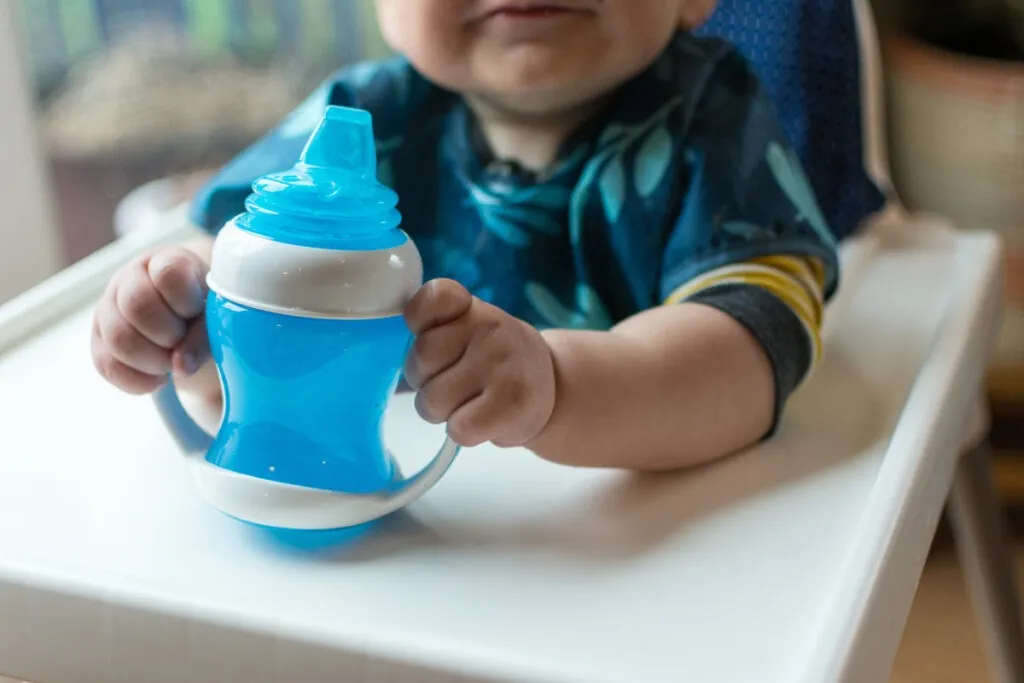
Sippy cups feel like a harmless bridge between bottles and regular cups, but how they’re used matters more than most parents expect. The extended contact between sugary liquids and teeth that sippy cups allow can lead to tooth decay, especially when a child carries one around all day or falls asleep with it.
At Kool Koala Pediatric & Adolescent Dentistry, we help families across New Jersey and Delaware use sippy cups in a way that protects developing teeth. We see the effects of prolonged sippy cup use regularly, and we know which habits cause problems and which ones support healthy development.
How Sippy Cups Lead to Tooth Decay
Unlike a regular cup where liquid gets swallowed right away, a sippy cup releases small amounts continuously, bathing teeth in whatever it contains for long stretches. When sugary liquids sit on teeth, bacteria in plaque produce acids that attack enamel and create cavities. The spout on most cups directs liquid toward the upper front teeth, which explains why sippy cup decay typically hits those four teeth hardest. Even natural sugars in milk and juice feed decay-causing bacteria, so frequency and duration of exposure matter more than which drink is in the cup.
Why Constant Sipping and Bedtime Use Are the Biggest Risks
Letting a child carry a juice- or milk-filled sippy cup around all day creates near-constant sugar exposure, giving saliva no chance to neutralize acids between attacks. Bedtime use raises the risk further, since saliva production drops during sleep, one of the body’s main defenses against decay. A child who falls asleep with anything but water in the cup is effectively bathing their teeth in sugar overnight, a pattern that closely resembles baby bottle tooth decay and can lead to severe early childhood cavities requiring crowns or extractions.
Signs Sippy Cup Use May Be Causing Problems
White spots on the front teeth are often the first visible sign, indicating weakening enamel. Brown or yellow staining along the gum line suggests more advanced damage, and sensitivity to cold or sweet foods, or reluctance to brush a specific area, can point to the same issue. If you notice any of these, schedule a dental exam before it progresses further.
Using Sippy Cups More Safely
Limit sippy cup contents to water between meals, saving milk and juice for mealtimes so teeth get regular breaks from sugar exposure. Children should finish milk or juice within 15 to 20 minutes rather than sipping slowly for hours, and it helps to transition away from sippy cups by around 18 months when possible. If your child still needs one longer, a soft spout is gentler than a hard one, and a cup should never go to bed with anything but water in it.
Better Alternatives to Consider
A regular open cup gives children the same independence without the same decay risk, and most kids adjust to the different flow quickly with a little mealtime practice. Straw cups are another option, since the straw directs liquid past the front teeth toward the back of the mouth. Whichever you choose, water should still be the only thing your child carries around between meals.
Sippy Cup Frequently Asked Questions
Are sippy cups bad for kids’ teeth
The cup itself is not the problem. Risk comes from constant sipping on sugary liquids throughout the day or at bedtime, which keeps teeth exposed to acid for long stretches.
What should go in a sippy cup
Water is the safest choice between meals. Save milk and juice for mealtimes, and have your child finish the drink within 15 to 20 minutes rather than sipping slowly for hours.
When should my child stop using a sippy cup
Transitioning to a regular or straw cup by around 18 months helps limit prolonged sugar exposure, though the right timing varies by child.
What are early signs of sippy cup related tooth decay
White spots on the front teeth are often the first sign, followed by brown or yellow staining along the gum line and sensitivity to cold or sweet foods.
Kool Koala Pediatric & Adolescent Dentistry Can Help Protect Your Child’s Smile
Our team at Kool Koala Pediatric & Adolescent Dentistry, with locations across Collingswood, Deptford, Vineland, and Bear, provides guidance on feeding habits, sippy cup use, and other daily patterns that affect a child’s developing teeth. Regular visits starting around your child’s first birthday help us catch potential problems early.
If you have noticed white spots, staining, or sensitivity, you can request an appointment with our team to have it checked.