Getting kids to brush their teeth consistently ranks among the most common parenting challenges. Nagging rarely works, and battles over toothbrushes drain everyone’s energy. The right reward system transforms this daily struggle into a positive routine that kids actually look forward to, building habits that protect their oral health for life.
At Kool Koala Pediatric & Adolescent Dentistry, Dr. Ballard, Dr. Wils, Dr. Thompson, Dr. Movaghar, Dr. Abdelrahim, and Dr. Martinelli help families across Collingswood, Deptford, Bear, Vineland, Pennsville, and Willingboro establish strong pediatric dentistry habits early. Our team knows that motivation matters as much as technique when teaching children proper oral care. We work with parents to create strategies that make brushing feel rewarding rather than restrictive.
Understanding What Drives Children’s Behavior
Different ages respond to different motivators. Toddlers and preschoolers thrive on immediate rewards and visual progress markers. They need to see results quickly because abstract concepts like future health don’t hold meaning yet. Sticker charts, colorful progress trackers, and small daily celebrations work well for this age group because they provide instant gratification.
School-age children start developing longer-term thinking and respond to systems that track progress over days or weeks. They enjoy earning points toward bigger rewards and take pride in maintaining streaks. Competition with themselves or siblings can drive consistency, as long as it stays friendly and encouraging rather than stressful.
Teenagers need different approaches entirely. They care more about appearance and social acceptance than parental approval, so linking oral care to confidence, fresh breath, and attractive smiles resonates more than charts or prizes. Autonomy matters too. Teens resist systems that feel childish but respond to choices that put them in control of their own health decisions.
Effective Reward Systems That Actually Work
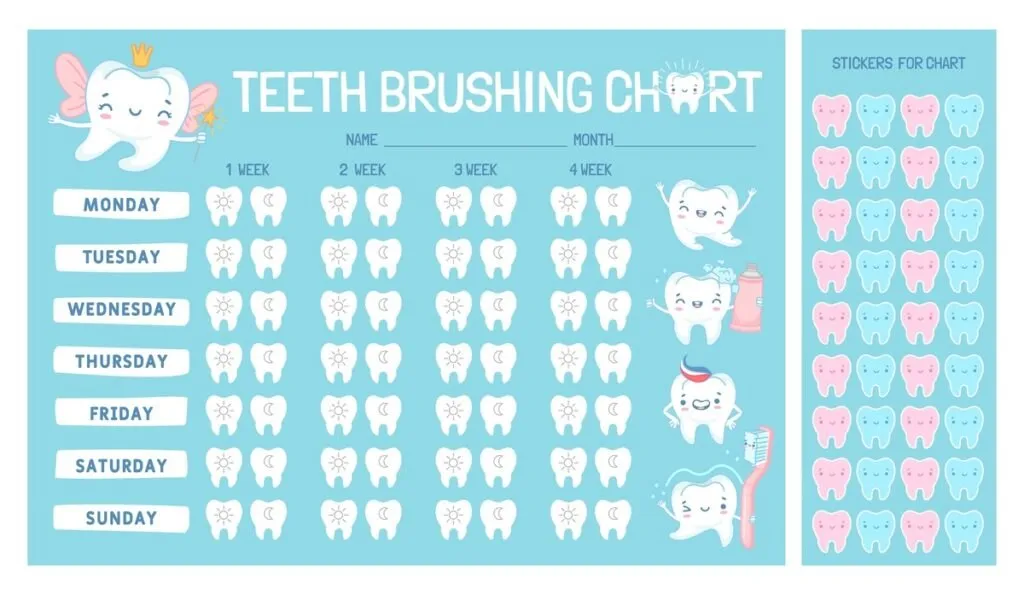
Chart-based systems remain popular because they provide clear visual feedback. A simple calendar where kids place a sticker after each brushing session creates tangible proof of their efforts. Parents can establish milestones like earning a small prize after filling a full week or completing an entire month without missing a session.
Point systems offer more flexibility than charts. Kids earn points for brushing twice daily, and those points accumulate toward rewards of varying sizes. Ten points might equal choosing dinner one night, while 100 points could mean a trip to their favorite activity. This structure teaches delayed gratification while maintaining motivation through incremental progress.
Choice-based rewards let kids pick from a menu of approved options when they hit targets. Rather than parents deciding prizes, children select from predetermined choices. This autonomy increases buy-in and makes rewards feel more meaningful. Options might include extra screen time, staying up 15 minutes later, or picking the weekend family activity.
Experience rewards often create more lasting impact than material prizes. Special outings, one-on-one time with parents, or choosing a family movie night provide connection alongside motivation. These rewards strengthen family bonds while reinforcing healthy habits, and they don’t fill houses with toys that lose appeal quickly.
Making Brushing Fun Without Relying on Rewards
Music transforms brushing from a chore into an activity. Playing a favorite two-minute song signals exactly how long kids need to brush while making the time pass enjoyably. Some families create brushing playlists that rotate through different songs to keep things fresh. Dancing while brushing adds physical fun and helps younger children burn energy during an otherwise still activity.
Technology offers engagement for tech-savvy kids. Apps designed for children turn brushing into games, awarding virtual prizes for consistent timing and technique. Some electric toothbrushes connect to apps that track progress and provide feedback. The American Dental Association recommends brushing twice daily, and these tools help kids meet that standard while staying entertained.
Storytelling makes brushing time more engaging. Parents can create continuing stories that only get told during tooth brushing, with each session revealing the next chapter. Kids who resist brushing often cooperate when they’re eager to hear what happens next in an ongoing adventure. This approach costs nothing and builds special connection time.
Competition adds energy when multiple children share a household. Friendly challenges about who can brush most consistently or for the full two minutes create positive peer pressure. Avoid making one child feel like a failure compared to siblings, but celebrating everyone’s progress together builds team spirit around oral health.
Avoiding Common Reward System Mistakes
Excessive rewards undermine intrinsic motivation. When prizes become too elaborate or frequent, children brush only for the reward rather than understanding why dental care matters. Keep rewards modest and gradually space them further apart as habits solidify. The goal is building self-motivated behavior, not creating dependency on external prizes.
Inconsistent enforcement destroys credibility. If parents forget to mark charts, fail to deliver promised rewards, or randomly decide not to count certain brushing sessions, kids lose trust in the system. Consistency matters more than perfection. When life gets busy and tracking slips, acknowledge it and restart rather than abandoning the system entirely.
Punishment for missed brushing creates negative associations with dental care. Reward systems work best when they focus on celebrating successes rather than penalizing failures. If a child forgets to brush, help them understand the importance and encourage them to do better tomorrow rather than taking away privileges or expressing disappointment that makes them feel bad.
Age-inappropriate systems frustrate everyone. Teenagers rolling their eyes at sticker charts indicates the system no longer matches their developmental stage. Pay attention to signs that current strategies have stopped working and adjust approaches as children grow. What motivates a five-year-old will bore a ten-year-old and annoy a fifteen-year-old.
Building Long-Term Habits at Kool Koala Pediatric & Adolescent Dentistry
Sustainable oral health habits develop through consistent positive reinforcement during childhood and adolescence. Our team at Kool Koala Pediatric & Adolescent Dentistry partners with families to establish these critical routines. We provide age-appropriate education during appointments, explaining why brushing matters in terms children understand. Our doctors make dental visits fun and comfortable, creating positive associations with oral care that extend to home routines.
We offer practical guidance on proper brushing techniques and help parents troubleshoot common challenges. Whether your family needs advice on motivating reluctant brushers or wants to ensure current habits protect developing teeth, our experienced team supports you every step of the way. Schedule an appointment at one of our convenient New Jersey locations to discuss your child’s oral health and get personalized strategies for building lifelong healthy habits.