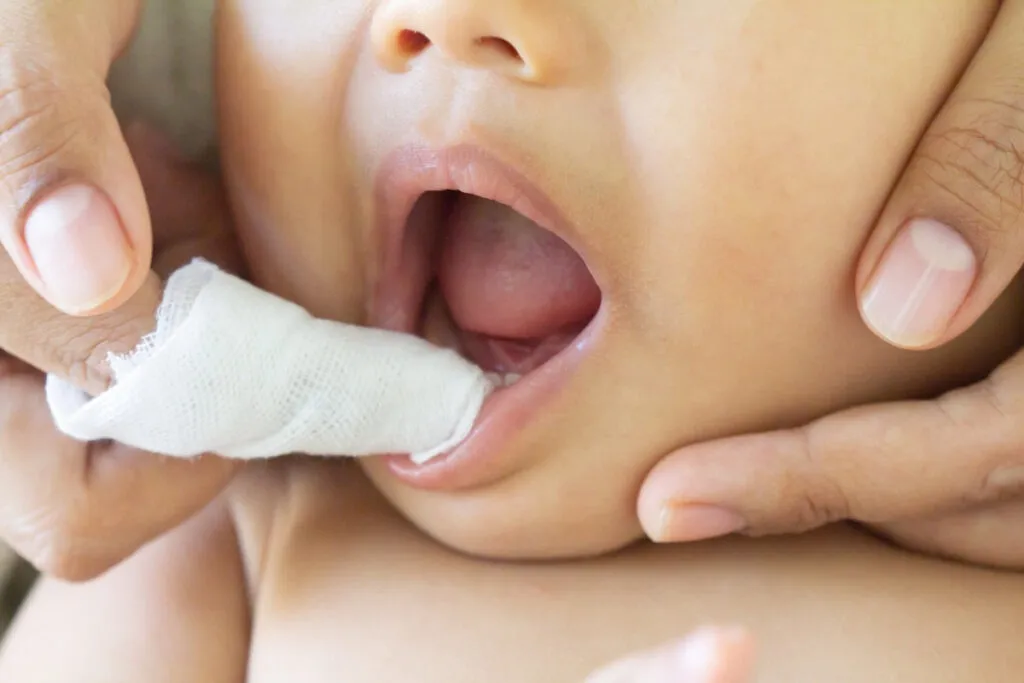
Teeth grinding in toddlers sounds alarming when you first hear it through the baby monitor at night. That rhythmic, unsettling noise can send parents rushing to their child’s room, worried about damage to those tiny teeth. While bruxism affects many young children, most cases resolve naturally without intervention, and only a small percentage require treatment.
At Kool Koala Pediatric & Adolescent Dentistry, we help families across New Jersey understand normal developmental behaviors versus signs that need attention. Our pediatric dental team sees grinding regularly in children between 18 months and 6 years old, and we can help you determine whether your toddler’s grinding falls into the typical category or needs a closer look.
Why Toddlers Grind Their Teeth
Several factors cause grinding in young children, and understanding the reason behind the behavior helps you decide whether action is needed. Teething discomfort ranks as one of the most common triggers. When new teeth push through the gums, toddlers often grind to relieve the pressure and soreness. This type of grinding typically stops once the teeth fully emerge.
Misaligned baby teeth can also lead to grinding. If your child’s upper and lower teeth don’t fit together properly, they might grind to find a more comfortable position. Children with dental crowns or other restorations sometimes grind more as they adjust to the new tooth structure.
Sleep issues contribute to grinding as well. Toddlers who experience sleep disturbances, snore regularly, or have breathing problems during sleep show higher rates of bruxism. Stress, though less common in toddlers than older children, can manifest as grinding. Changes in routine, starting daycare, or family transitions might trigger this behavior.
Signs Your Toddler Is Grinding
Most parents first notice grinding at night, but daytime grinding happens too. The sound itself is often the first clue, a scraping or crunching noise during sleep that’s hard to miss once you hear it. You might also notice your child clenching their jaw while concentrating on activities or during moments of frustration.
Physical signs develop with persistent grinding. Check for worn tooth surfaces where the enamel appears flattened or shorter than surrounding teeth. Your toddler might complain of jaw soreness, though younger children often can’t articulate this discomfort and instead become fussier or resist eating certain foods. Some children develop headaches or earaches from the muscle tension grinding creates.
Temperature sensitivity sometimes increases with grinding. If your child suddenly reacts to cold drinks or warm foods, the grinding may have worn away protective enamel. Regular dental exams and cleanings help catch these changes early before they progress to more serious damage.
When Grinding Becomes a Concern
Most toddler grinding resolves naturally as children grow and their teeth change. However, certain warning signs indicate a need for professional evaluation. Severe wear that exposes the inner layers of teeth requires attention. Once grinding wears through enamel to the softer dentin underneath, teeth become vulnerable to decay and damage.
Persistent grinding beyond age six warrants evaluation, especially if adult teeth have started coming in. While baby teeth are temporary, damage to permanent teeth creates lasting problems. If grinding disrupts your child’s sleep to the point where they wake frequently or seem unrested during the day, addressing the underlying cause becomes important.
Jaw pain that limits your child’s ability to eat comfortably needs investigation. When grinding affects daily activities like chewing or speaking, intervention can prevent the problem from worsening. Loose teeth from grinding also merit a prompt dental visit, as premature tooth loss can affect spacing and alignment of permanent teeth.
The following situations require professional assessment:
- Visible tooth damage: flattened surfaces, chips, or cracks that alter tooth structure
- Chronic jaw discomfort: persistent soreness that doesn’t improve with rest
- Sleep disruption: grinding so loud or frequent it wakes the child or siblings
- Breathing concerns: snoring, mouth breathing, or pauses in breathing during sleep
- Unexplained headaches: recurring head or facial pain without other clear causes
Early intervention for these symptoms can prevent more complex dental issues down the road.
What You Can Do at Home
Several strategies help reduce grinding frequency and protect your toddler’s teeth while you monitor the situation. Create a calming bedtime routine that helps your child transition to sleep more peacefully. A warm bath, quiet stories, and consistent sleep times can reduce stress-related grinding.
Minimize stimulating activities before bed. Screen time, rough play, or exciting games within two hours of bedtime can make it harder for toddlers to settle into deep, restful sleep. Offer a cool washcloth or safe teething toy if teething seems to trigger grinding.
Stay current with your child’s dental checkups so your pediatric dentist can track any wear patterns and assess whether intervention is needed. Avoid giving your child caffeine from any source, as even small amounts in chocolate or some medications can increase grinding.
Treatment Options Your Pediatric Dentist May Recommend
If grinding persists or causes damage, several treatment approaches can help. For children experiencing severe wear, your dentist might recommend a custom night guard. These devices, fitted specifically to your child’s mouth, create a protective barrier between upper and lower teeth. Night guards for toddlers differ from adult versions and require careful fitting to ensure comfort and safety.
Addressing underlying sleep issues often reduces grinding significantly. If breathing problems contribute to grinding, your dentist may recommend an evaluation by a sleep specialist. Enlarged tonsils or adenoids sometimes cause both sleep disturbances and grinding, and treating these conditions can resolve the grinding.
Alignment issues may require monitoring or early intervention. While comprehensive orthodontic treatment typically waits until more permanent teeth arrive, some situations benefit from early orthodontic evaluation. Your pediatric dentist can determine the right timing for any necessary treatments.
Protecting Your Child’s Smile with Kool Koala Pediatric & Adolescent Dentistry
Teeth grinding in toddlers rarely causes lasting problems, but monitoring the situation gives you peace of mind and protects your child’s developing smile. Our team at Kool Koala Pediatric & Adolescent Dentistry has experience identifying which grinding cases need attention and which will resolve naturally. We serve families throughout New Jersey with locations designed to make dental visits fun and stress-free for children.
Our pediatric dentists use gentle examination techniques to assess wear patterns, check jaw development, and identify any underlying issues contributing to grinding. We take time to explain our findings and recommendations so you understand your options. Whether your child needs monitoring, simple home strategies, or protective treatment, schedule an appointment with our team to discuss the best approach for your toddler’s specific situation.