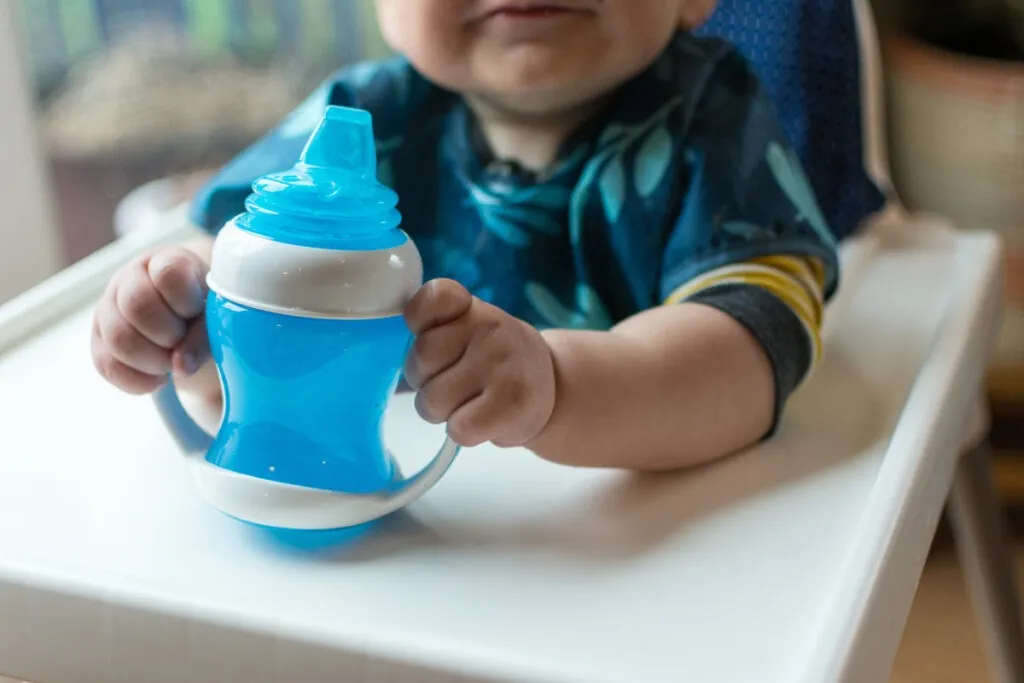
Sippy cups seem like a harmless transition tool between bottles and regular cups, but these convenient containers can create lasting dental problems if used incorrectly. The extended contact between sugary liquids and teeth that sippy cups allow can lead to tooth decay, especially when children carry them throughout the day or use them at bedtime. While the cups themselves aren’t harmful, the way families use them often puts young teeth at risk.
At Kool Koala Pediatric & Adolescent Dentistry, we help parents across New Jersey understand how to use sippy cups safely while protecting their children’s developing smiles. Our team sees the effects of prolonged sippy cup use regularly, and we know which habits cause problems and which ones support healthy dental development for your child.
How Sippy Cups Lead to Tooth Decay
The design of sippy cups creates conditions that promote decay. Unlike regular cups where liquid flows directly into the mouth and gets swallowed, sippy cups release small amounts of liquid continuously. This slow, steady exposure bathes teeth in whatever the cup contains, whether it’s juice, milk, or sweetened drinks. When sugary liquids sit on teeth for extended periods, bacteria in plaque produce acids that attack enamel and create cavities.
The spout placement on most sippy cups directs liquid toward the upper front teeth. These teeth receive the heaviest exposure, which explains why sippy cup decay typically affects the four upper front teeth most severely. Children who sip constantly throughout the day never give their teeth a break from sugar exposure. Even natural sugars in milk and fruit juice feed decay-causing bacteria, so the type of beverage matters less than the frequency and duration of exposure.
The Risks of Constant Sipping
Many parents fill sippy cups with juice or milk and let children carry them around all day. This practice creates nearly constant sugar exposure, giving teeth no time to recover between attacks. Your child’s saliva naturally works to neutralize acids and repair early damage to enamel, but this protective process can’t keep up with continuous sugar exposure. The result is rapid decay that can affect multiple teeth and require extensive treatment.
Bedtime sippy cup use presents even greater risks. During sleep, saliva production decreases significantly, removing one of your child’s primary defenses against decay. A child who falls asleep with a sippy cup filled with anything except water essentially bathes their teeth in sugar all night long. This habit frequently leads to severe early childhood cavities that require crowns or even extractions. The pattern of decay from bedtime sippy cup use closely resembles baby bottle tooth decay, affecting the same teeth in similar ways.
Signs Your Child’s Sippy Cup Use May Be Causing Problems
White spots on your child’s front teeth often appear as the first visible sign of decay from sippy cup use. These chalky areas indicate weakening enamel and signal that decay has begun. Brown or yellow staining on teeth, particularly along the gum line of the upper front teeth, suggests more advanced damage. If you notice these changes, schedule a dental exam promptly to prevent further progression.
Your child might also show behavioral signs of dental problems. Sensitivity to cold or sweet foods can indicate enamel damage. Some children become reluctant to brush their teeth because touching the affected areas causes discomfort. Pain while eating or drinking, especially when consuming hot or cold items, means decay has likely progressed beyond the enamel surface. Any of these symptoms warrant an evaluation by a pediatric dentist who can assess the damage and recommend treatment.
Using Sippy Cups Safely
You can reduce sippy cup risks significantly by following a few simple guidelines. Limit sippy cup contents to water between meals, saving milk and juice for mealtimes only. This approach gives teeth regular breaks from sugar exposure and allows saliva to do its protective work. Children should finish their milk or juice within 15-20 minutes rather than sipping slowly over hours.
Transition your child away from sippy cups by around 18 months if possible. Moving to regular cups earlier helps prevent the prolonged exposure patterns that cause decay. If your child needs a sippy cup for longer, choose designs with a soft spout rather than a hard one, and avoid cups with valves that require constant sucking. Never let your child take a sippy cup to bed unless it contains only water. Fluoride treatments during dental visits can help strengthen enamel and provide extra protection against decay.
Better Alternatives to Consider
Regular open cups give children the same drinking independence as sippy cups without the decay risks. Yes, spills happen more frequently during the learning phase, but the dental health benefits make the trade-off worthwhile. Start with small amounts of liquid and practice at mealtimes when you can supervise. Most children master cup drinking quickly once they get used to the different flow rate.
Straw cups offer another excellent alternative. The straw directs liquid past the teeth and toward the back of the mouth, reducing contact with the most vulnerable front teeth. Choose cups with a removable lid that you can clean thoroughly, as bacteria can build up in hard-to-reach spots. Remember that even straw cups should contain only water between meals, and children shouldn’t carry them around constantly throughout the day.
Protecting Your Child’s Smile with Kool Koala Pediatric & Adolescent Dentistry
Sippy cups can be useful tools during the transition from bottles to regular cups, but using them correctly matters for your child’s dental health. Our team at Kool Koala Pediatric & Adolescent Dentistry serves families throughout New Jersey with locations designed to make dental care comfortable and fun for children. We provide guidance on feeding practices, sippy cup use, and other habits that affect your child’s developing teeth.
Regular dental visits starting around your child’s first birthday help us catch potential problems early and give you practical advice for protecting those growing smiles. Our pediatric dentists examine your child’s teeth for early signs of decay, provide preventive treatments, and answer your questions about daily oral care. Whether you need a routine checkup or have concerns about your child’s teeth, contact us to schedule an appointment and learn more about keeping your child’s smile healthy.